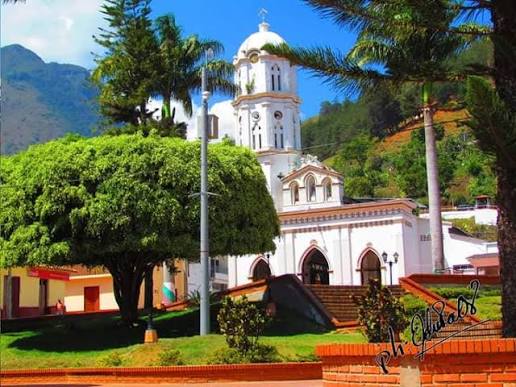
Adventure and Nature
Villa Caro
Villa Caro is a municipality located in the central region of Norte de Santander, known for its cool climate, green m...
DISCOVER →
The history of Chinácota begins with the Chitareros Indians, named by the Spanish for their chítaros or totuma gourds used to drink maize and yuca guarapo. The first European to step on these lands was German Ambrosio Alfinger in 1530 seeking El Dorado, who died in Chitacomar near Chinácota in combat with the Chitareros. The Spanish settlement was consolidated from 1583 with the first indigenous town of the Province of Chinácota by Melchor Vázquez Campuzano. Under encomienda and Dominican doctrine, the indigenous population collapsed to 30 Indians by 1761. In 1902 it became nationally famous when the peace treaty ending the Thousand Days' War was signed in the Casa del Tratado on November 21.
Chinácota is located in the southeast subregion of Norte de Santander, at 1,175 meters with a temperate climate of 21-22°C. *How to get there:* It is only 45 km, about 45 minutes to 1 hour from Cúcuta. You take the Troncal del Oriente road Cúcuta - Bochalema - Chinácota, a paved road bordered by eateries selling cucas and goat cheeses. From Bucaramanga it is about 5 hours via Cuesta Boba - Pamplona - Bochalema. Public buses, colectivos and taxis leave every 20 minutes from Cúcuta's terminal and transport center, with stops on 8th avenue, direct to the central park.
You can use the map to check the location and plan your visit.
Villa Caro is a municipality located in the central region of Norte de Santander, known for its cool climate, green m...
DISCOVER →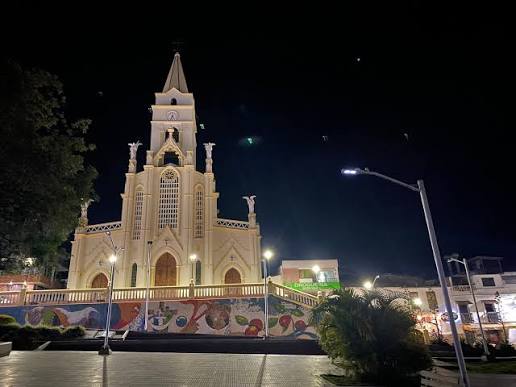
Toledo is a municipality located in the southern region of Norte de Santander, known for its cool climate, green moun...
DISCOVER →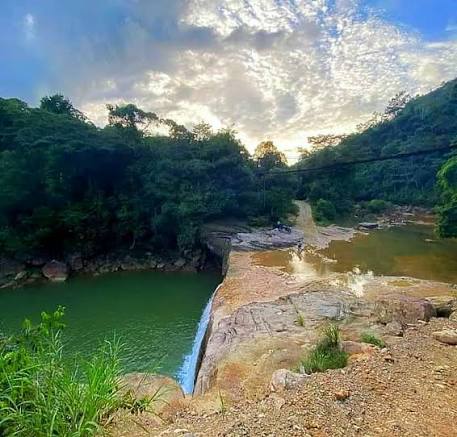
Tibú is a municipality located in the northeastern region of Norte de Santander, known for its warm climate, tropical...
DISCOVER →