Adventure and Nature
Villa Caro
Villa Caro is a municipality located in the central region of Norte de Santander, known for its cool climate, green m...
DISCOVER →
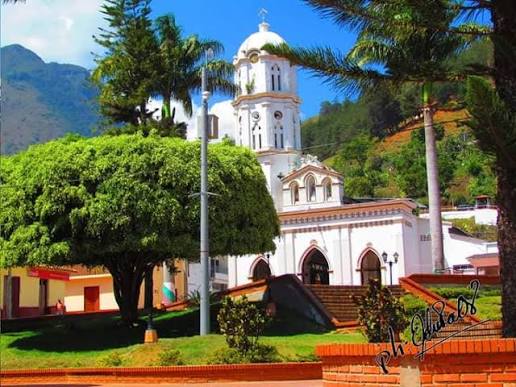
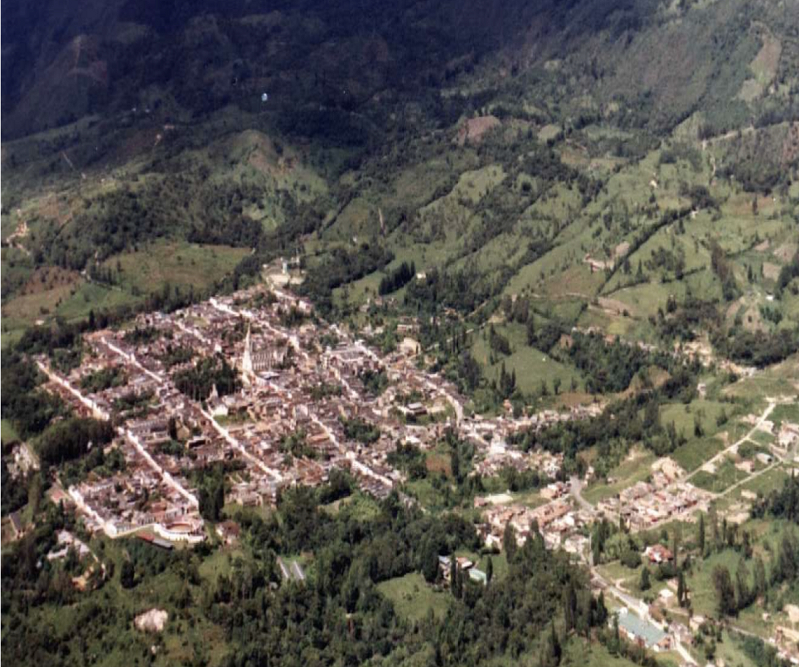
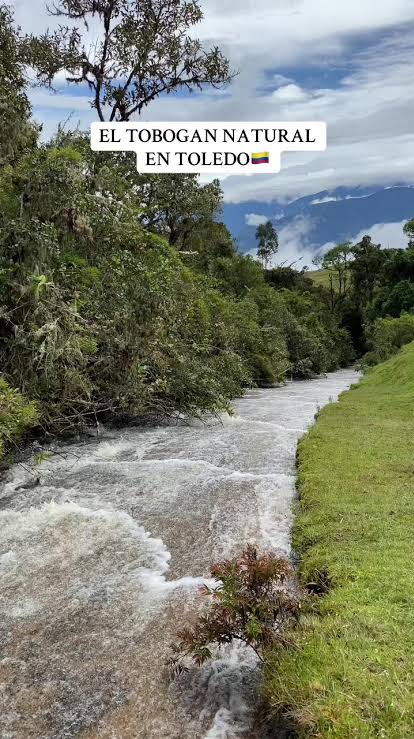
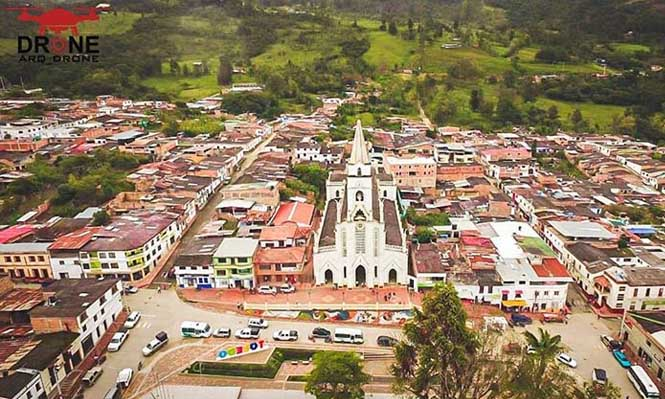
The history of Toledo goes back to the colonial period, when the area was inhabited by indigenous communities and later became a Spanish settlement. The region developed around agriculture and livestock because of its fertile lands and mountain environment. Toledo was officially founded in 1795 by José de la Concepción Villamizar, and the settlement grew around religious and agricultural activities. Over the years, coffee, sugar cane, potatoes, beans, and other crops became important parts of the local economy. The municipality also developed a strong connection with the Tamá mountains and the natural landscapes of the region. Today, Toledo preserves its agricultural traditions, religious customs, cultural heritage, and rural identity as an important municipality in southern Norte de Sant
Toledo is located in the southern region of Norte de Santander, at approximately 1,650 meters above sea level, with a cool climate of around 19°C. *How to get there:* It is located about 115 km from Cúcuta, taking approximately 3 to 4 hours by road. From Cúcuta, you travel towards Pamplona and then continue through Labateca and Toledo on mountain roads. From Pamplona, the journey takes approximately 1.5 to 2 hours by road, passing through Labateca before reaching Toledo. Public buses and shared transportation are available from Cúcuta, Pamplona, and nearby municipalities.
You can use the map to check the location and plan your visit.
Villa Caro is a municipality located in the central region of Norte de Santander, known for its cool climate, green m...
DISCOVER →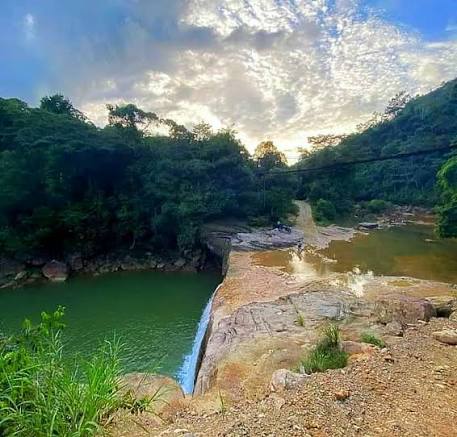
Tibú is a municipality located in the northeastern region of Norte de Santander, known for its warm climate, tropical...
DISCOVER →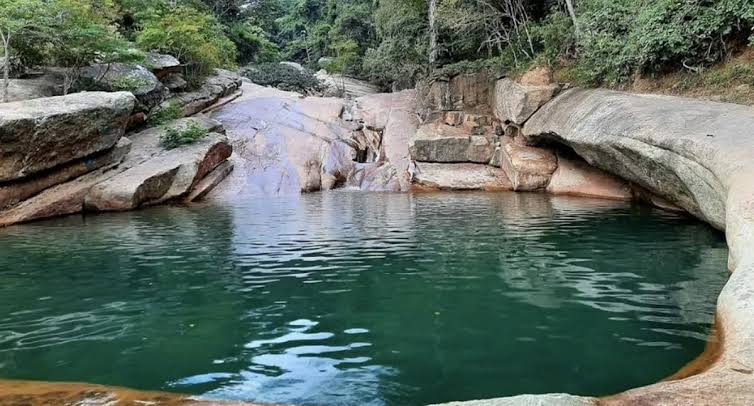
San Cayetano is a municipality located in the northeastern region of Norte de Santander, known for its warm climate, ...
DISCOVER →