Culture and History
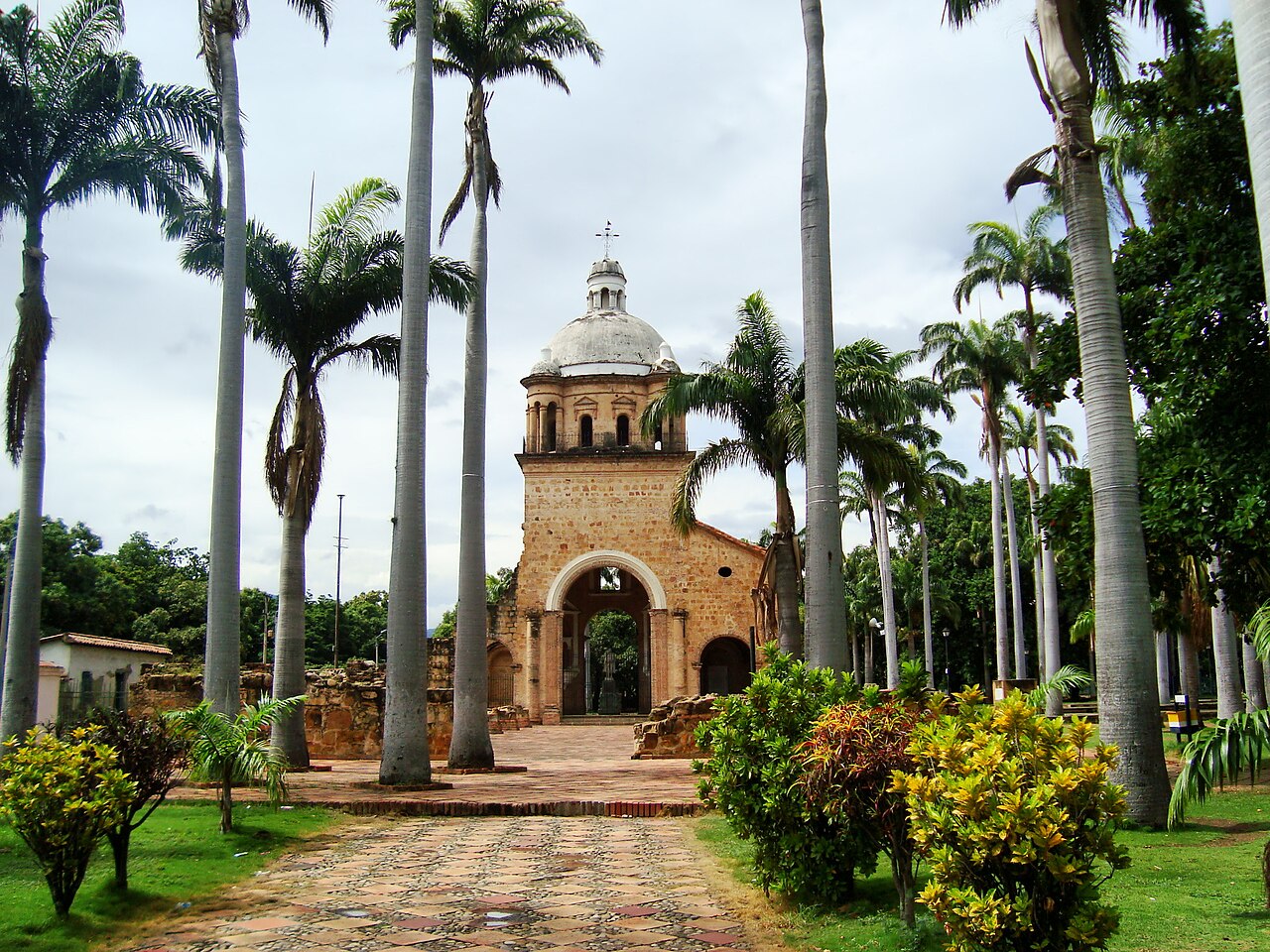
Villa del Rosario
Villa del Rosario is a municipality located in the northeastern region of Norte de Santander, known for its warm clim...
DISCOVER →
The history of Cácota dates back to the territory of the Cácota Indians, from the Chitarero family. Spanish settlement began in 1555 led by Ortún Velázquez de Velasco, appointed as field master by Pedro de Ursúa. The town was part of the indigenous towns established after the New Laws of 1542. The parish of San Jacinto de Cácota was founded in 1637, and the devotion to Our Lady of Sorrows began after an apparition to a peasant woman in the vereda Hato de la Virgen. Its pottery tradition was inherited from its indigenous ancestors, who made moyas and tiestos by hand, a craft preserved by women artisans until today.
Cácota is located in the southwest subregion of Norte de Santander, at 2,400 meters with a cold climate of 15°C. *How to get there:* It is about 108 km from Cúcuta, 2.5 to 3 hours by car. You take the road Cúcuta - Pamplona - Cácota, turning off after Pamplona via the Chitagá road. From Bucaramanga it is about 4 hours via Berlin - Pamplona. Buses and colectivos leave from Cúcuta's terminal and from Pamplona early in the morning, and the last stretch is a mountain road with páramo views to the town of white facades.
You can use the map to check the location and plan your visit.
Villa del Rosario is a municipality located in the northeastern region of Norte de Santander, known for its warm clim...
DISCOVER →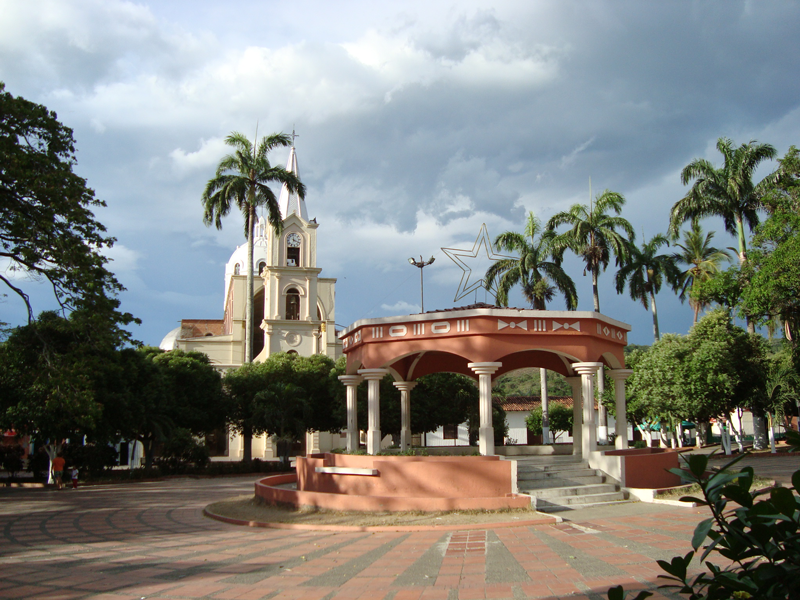
The history of Sardinata goes back to the colonial period, when the area was inhabited by indigenous communities and ...
DISCOVER →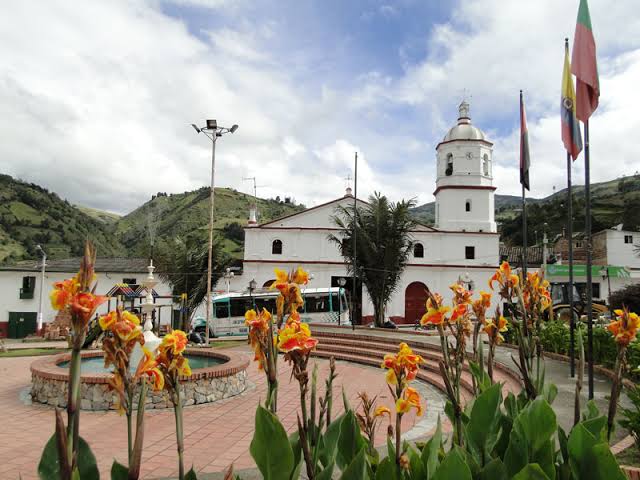
Santo Domingo de Silos is a municipality located in the southern region of Norte de Santander, known for its cool cli...
DISCOVER →